

At Vista Eye Specialists, we understand how important it is to protect your vision if you are living with diabetes. Our doctors bring decades of experience in diagnosing and treating complex eye conditions.

Understanding Diabetic Eye Disease
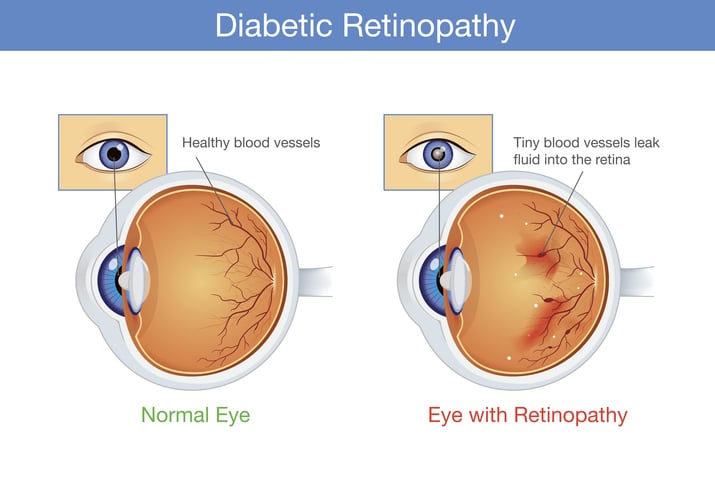
Diabetic retinopathy is a complication of diabetes that affects the light-sensitive lining at the back of the eye, called the retina. The retina plays a critical role in vision by focusing light into images your brain can process. In people with diabetes, the blood vessels that supply nourishment to the retina can weaken over time. These weakened vessels may leak fluid, swell, or develop fragile new branches that interfere with normal vision.
At first, the changes caused by diabetic retinopathy may go unnoticed. Vision may remain clear even while small amounts of damage are already occurring. As the condition progresses, however, symptoms can become more disruptive. Patients may begin to notice blurry or cloudy vision, the appearance of floaters, blind spots, or difficulty seeing at night. In advanced stages, the disease can lead to severe vision loss or even complete blindness. Unfortunately, once this damage occurs, it cannot be reversed.
Diabetic retinopathy isn’t the only eye disease related to diabetes, either. If you have diabetes, you have a higher risk of cataracts and age-related macular degeneration (AMD).
Diabetic Retinopathy: A Leading Cause of Vision Loss
Diabetic retinopathy is the most common eye complication related to diabetes and is one of the leading causes of blindness in American adults. A common side effect of this condition is macular edema, which occurs when leaking fluid builds up in the central part of the retina known as the macula. Because the macula is responsible for sharp, central vision, swelling in this area can cause significant blurriness and make it difficult to read, drive, or recognize faces.
While the risk is serious, it is important to understand that diabetic retinopathy is often preventable. Managing diabetes carefully plays a critical role in protecting your vision. Following your doctor’s instructions for diet and medications, maintaining regular exercise, controlling blood pressure, and avoiding smoking and alcohol can all reduce your risk. These lifestyle choices not only help protect the eyes but also improve overall health.
The Importance of Regular Eye Exams
Because early diabetic retinopathy often shows no symptoms, many patients are unaware of the condition until vision problems arise. This is why regular comprehensive eye exams are essential for anyone living with diabetes. A dilated eye exam allows your eye doctor to carefully examine the retina and detect even the earliest signs of damage. Early detection is the most effective way to slow disease progression and protect your vision for the future.
Treatment Options for Diabetic Retinopathy
Although existing damage caused by diabetic retinopathy cannot be reversed, treatment can slow the progression of the disease and help prevent further vision loss. Several effective approaches are available depending on the severity of the condition.
Laser therapy can be used to seal leaking blood vessels or reduce the growth of abnormal new ones.
Medications may be injected directly into the eye to reduce swelling and control the effects of the disease.
Surgical procedures are sometimes necessary for advanced cases, particularly when scar tissue or bleeding inside the eye threatens vision.
Each patient’s treatment plan is tailored to their specific needs. With timely diagnosis and proper care, many people with diabetic retinopathy are able to maintain useful vision for years.
Why Choose Us For Diabetic Eye Care
At Vista Eye Specialists, our mission is to serve the Fredericksburg and Culpeper communities with the finest in eye care, combining modern surgical methods, advanced technology, and continual education. We’re here to help our patients have healthy vision for a lifetime. From screening for diabetic eye disease to expert diabetic eye care for late-stage retinopathy and other eye diseases, our team of experts can help you detect disease early and slow its progression.
Schedule Your Diabetic Eye Exam
If you are living with diabetes, don’t wait until vision loss occurs. Call our offices in Fredericksburg or Culpeper at 888-393-5264 today to schedule your diabetic eye exam.